The Hidden Wellness Benefits of Golfing in Canada: Mindfulness, Movement, and Healing Outdoors

Golfing in Canada has long been appreciated for its breathtaking scenery, challenging courses, and welcoming communities. However, beyond the perfectly manicured fairways lies another compelling reason to embrace the sport. Golf has become an increasingly recognized activity for supporting mental wellness, reducing everyday stress, and encouraging healthier lifestyles. Whether you are an experienced golfer or picking up a club for the first time, spending time on Canada’s beautiful courses offers benefits that extend far beyond your scorecard.

As conversations about mental health continue to grow, many Canadians are looking for enjoyable ways to improve emotional well-being alongside professional care when needed. Golf provides a unique combination of physical activity, mindfulness, social interaction, and time in nature, making it an excellent addition to a balanced wellness routine.

Why Golf Is More Than Just a Game

Golf stands apart from many other recreational activities because it combines gentle exercise with thoughtful decision making. Every hole presents a new challenge that encourages players to remain focused while enjoying the surrounding landscape.

Instead of rushing from one activity to another, golfers naturally slow down. This slower pace allows the mind to settle, helping reduce mental fatigue and improve concentration.

Mindfulness Happens Naturally on the Course

Mindfulness is the practice of paying attention to the present moment without becoming overwhelmed by distractions. While many people practice mindfulness through meditation, golf creates similar opportunities in a more active setting.

Before every shot, golfers pause, assess the situation, control their breathing, and focus entirely on the task ahead. This repeated process encourages mental clarity while reducing the constant stream of anxious thoughts that many people experience during busy daily lives.

As a result, golf becomes an enjoyable way to practice staying present without feeling like another obligation.

The Mental Health Benefits of Spending Time Outdoors

Canada is home to thousands of beautiful golf courses surrounded by forests, lakes, rivers, mountains, and open green spaces. These natural settings create an environment that encourages relaxation from the moment players arrive.

Research continues to show that spending time outdoors may help lower stress, improve mood, and increase overall emotional well-being. Fresh air, natural sunlight, and peaceful surroundings work together to create an atmosphere that feels restorative.

Nature Encourages Emotional Balance

Modern life often involves constant notifications, traffic, deadlines, and digital distractions. Golf offers a welcome escape.

Walking through quiet fairways allows players to disconnect from everyday pressures while reconnecting with nature. Many golfers report feeling calmer and more refreshed after completing a round, even if they did not play their best.

This emotional reset can make it easier to return to daily responsibilities with renewed perspective.

Gentle Exercise That Supports Overall Wellness

Physical activity remains one of the most effective ways to support both physical and emotional health. Golf provides consistent movement without placing excessive strain on the body.

Walking between holes, carrying or pushing clubs, and completing repeated swings all contribute to improved fitness.

Physical Benefits That Complement Mental Wellness

Regular golfing may help support:

  • Improved cardiovascular health
  • Better balance and flexibility
  • Increased mobility
  • Greater endurance
  • Enhanced coordination

Physical movement also encourages the body’s natural release of endorphins, which contribute to improved mood and reduced stress.

For many people, golf becomes an enjoyable alternative to traditional exercise because it never feels repetitive or monotonous.

Building Stronger Social Connections

Healthy relationships play an important role in emotional well-being. Golf naturally creates opportunities to spend quality time with family members, friends, coworkers, and new playing partners.

Unlike louder social settings, golf encourages relaxed conversation while walking the course together.

Community Creates Lasting Benefits

Many Canadian golf clubs welcome players of every experience level through leagues, clinics, tournaments, and beginner programs.

These opportunities help golfers build friendships while creating a sense of belonging. Feeling connected to a supportive community can positively influence motivation, confidence, and overall quality of life.

Golf and Healthy Lifestyle Habits

One of the hidden strengths of golf is its ability to encourage consistency.

Many golfers establish routines that include regular outdoor activity, improved sleep schedules, balanced nutrition, and personal goal setting. These healthy habits often extend into other areas of life.

For individuals who are already working with healthcare professionals or participating in counseling for stress, anxiety, or addiction recovery, recreational activities like golf may serve as valuable complements to their overall wellness plan. While golf should never replace evidence-based treatment, it can support long term well-being by encouraging healthy coping strategies and positive daily routines.

Tips for New Golfers

Beginning your golf journey is easier than many people expect.

Start With the Basics

Choose a local driving range or beginner friendly course where you can practice without pressure. Lessons from a qualified instructor can also help build confidence early.

Focus on Enjoyment

Remember that golf is about progress, not perfection. Every player continues learning throughout their golfing journey.

Play With Supportive People

Friends, family members, or local golf groups can make learning more enjoyable while helping you stay motivated.

Appreciate the Environment

Take time to enjoy the scenery, fresh air, and peaceful surroundings. Sometimes the greatest reward from a round of golf is simply spending time outdoors.

Golfing in Canada Offers Wellness Beyond the Fairway

Golfing in Canada continues to grow because it offers much more than recreation. It encourages mindfulness, supports physical activity, creates meaningful social connections, and provides an opportunity to recharge in some of the country’s most beautiful natural settings.

Whether your goal is to reduce everyday stress, improve overall wellness, or simply enjoy more time outdoors, golf offers lasting benefits that reach well beyond the final hole.

If you are currently experiencing significant mental health challenges or recovering from addiction, remember that recreational activities like golf work best alongside professional support. Speaking with qualified healthcare providers while building healthy routines can create a strong foundation for long term wellness.

Sometimes the journey toward feeling better begins with one simple decision: stepping outside, breathing deeply, and taking the first swing.

Why Golfing in Canada Is Becoming a Go-To Activity for Stress Relief, Recovery, and Balance

Golfing in Canada is becoming much more than a favourite outdoor pastime. For many people, it represents a chance to slow down, reconnect with themselves, and create healthier routines that support overall wellness. As more individuals look for natural ways to manage stress, improve mental health, and support recovery, golf offers a unique combination of movement, mindfulness, and community. With Canada’s peaceful landscapes and welcoming golf culture, the game provides a meaningful space for healing and balance.
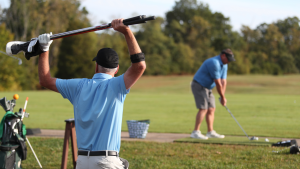
Golf’s Growing Role in Mental Health and Wellness

Mental health challenges such as stress, anxiety, and emotional exhaustion are becoming increasingly common. While professional support and treatment remain essential for those facing serious challenges, healthy lifestyle choices can also play an important role in maintaining balance.

Golfing in Canada offers a calming environment where individuals can step away from daily pressures. The game encourages focus, patience, and presence. Instead of rushing through tasks, players slow down and concentrate on one moment at a time.

This simple practice can help reduce mental overload and create a greater sense of calm.

Learning to Stay Present Through Golf

Golf requires attention and intention. Players must consider their surroundings, plan their next move, and respond thoughtfully. This process naturally encourages mindfulness.

For individuals in addiction recovery or mental health treatment, staying present is an important skill. Golf provides an opportunity to practice this in a relaxed setting. Each shot becomes a reminder to focus on the current moment rather than being consumed by past difficulties or future worries.

Stress Relief Through Nature and Outdoor Activity

One of the biggest reasons Canadians enjoy golf is the opportunity to spend time outdoors. Many courses are surrounded by natural scenery, including forests, lakes, and open landscapes that create a peaceful atmosphere.

Nature has a powerful impact on emotional well-being. Spending time outdoors can help reduce stress, improve mood, and support mental clarity. Golf combines these benefits with gentle physical activity, making it a valuable wellness practice.

Creating Space to Recharge

Modern life often involves constant responsibilities, technology, and distractions. Golf creates space to disconnect and recharge.

Walking the course, breathing fresh air, and focusing on the game allows the mind to rest. For individuals experiencing stress or emotional fatigue, these moments can provide a much needed reset.

Supporting Recovery Through Healthy Habits

Recovery is built through positive choices and consistent routines. Golf supports these principles by creating a healthy activity that encourages discipline and structure.

For individuals working through addiction recovery, replacing unhealthy patterns with positive experiences is an important part of the healing process. Golf provides a productive outlet where individuals can build confidence, manage emotions, and enjoy progress.

Developing Patience and Resilience

Golf teaches valuable life skills. Not every shot will be successful, and challenges are part of the experience. Players learn to adjust, stay patient, and keep moving forward.

These lessons connect closely with recovery. Progress is not always perfect, but every effort matters. Learning to handle setbacks calmly can strengthen emotional resilience both on and off the course.

Physical Wellness Benefits of Golf

Golf is a gentle form of exercise that supports both physical and mental health. Walking the course improves cardiovascular fitness, while swinging the club supports coordination, flexibility, and strength.

Physical activity is closely connected to emotional wellness. Regular movement can improve sleep, increase energy, and support a more positive mood.

A Sustainable Approach to Staying Active

Unlike intense workout programs that may feel overwhelming, golf offers a sustainable way to stay active. Individuals can participate at their own pace and gradually build confidence.

This makes golfing in Canada accessible for people at different stages of life, including those who are rebuilding their health during recovery.

Connection and Community Through Golf

Healing often happens through connection. Supportive relationships can make a significant difference for individuals managing mental health challenges or addiction recovery.

Golf creates opportunities for meaningful interaction. Whether playing with friends, joining a local group, or learning alongside others, the sport encourages community.

Reducing Isolation Through Shared Experiences

Isolation can make difficult experiences feel even heavier. Golf provides a welcoming environment where people can connect naturally.

The conversations between shots, shared challenges, and encouragement from others create a sense of belonging. This social support can strengthen confidence and provide motivation to continue moving forward.

Golf as Part of a Holistic Wellness Approach

Holistic wellness focuses on caring for the whole person. This includes physical health, emotional well-being, mental clarity, and personal values.

Golf fits naturally into this approach because it supports multiple areas at once.

  • Mindfulness improves focus and awareness
  • Movement supports physical health
  • Community strengthens emotional connection
  • Nature encourages reflection and calm

For individuals participating in inpatient or outpatient care, golf can complement professional treatment by offering a healthy activity that reinforces coping strategies and personal growth.

Faith based and individualized recovery approaches may also incorporate outdoor activities like golf as opportunities for reflection, gratitude, and personal renewal.

Simple Ways to Begin Golfing for Wellness

You do not need to be an experienced player to enjoy the benefits of golf. Starting small can make the experience comfortable and rewarding.

  • Visit a driving range to learn basic skills
  • Choose beginner friendly courses
  • Focus on enjoyment instead of perfection
  • Spend time with supportive people
  • Use the experience as an opportunity to relax and reset

The goal is not simply to improve your golf game. The goal is to create a healthy activity that supports balance and wellness.

Conclusion

Golfing in Canada is becoming a go-to activity for stress relief, recovery, and balance because it offers something many people need today: a chance to slow down and reconnect. Through nature, movement, focus, and community, golf creates an environment that supports both mental and physical wellness.

For individuals navigating addiction recovery or mental health challenges, golf can be a valuable addition to a broader healing journey. It does not replace professional care, but it can support the development of healthy habits, stronger connections, and renewed confidence.

If you or someone you care about is looking for support, reaching out for compassionate and individualized care is an important step. Combined with positive activities like golf, professional guidance can help create a foundation for lasting recovery, balance, and hope.

The Wellness Side of Golfing in Canada: Building Health, Hope, and Community One Round at a Time

Golfing in Canada is often celebrated as a relaxing outdoor pastime, but its impact reaches far beyond recreation. For many individuals navigating addiction recovery or mental health challenges, golf offers something far more meaningful: a pathway to wellness. It brings together movement, mindfulness, nature, and connection in a way that supports healing one round at a time. On Canada’s scenic courses, every swing becomes an opportunity to rebuild balance, strengthen resilience, and reconnect with life in a healthier way.

Golf as a Foundation for Mental and Emotional Wellness

Wellness is not created in isolation. It is built through consistent habits that support emotional stability, mental clarity, and physical health. Golf naturally encourages these habits through its structure and pace.

Each round requires focus and patience. Players must slow down, assess the situation, and respond intentionally. This process helps train the mind to stay present, which is a key skill in managing stress, anxiety, and recovery related challenges.

For individuals in addiction recovery or mental health treatment, this kind of mindful engagement can be especially grounding. It replaces chaos with calm and reaction with reflection.

Learning Emotional Regulation Through Play

One of the quiet strengths of golf is how it teaches emotional regulation. Not every shot goes as planned. Weather changes, terrain shifts, and mistakes happen.

Instead of reacting with frustration, players learn to pause, reset, and continue. Over time, this builds resilience and helps individuals develop healthier responses to stress in everyday life. These skills directly support long term recovery and emotional well-being.

The Healing Power of Nature in Canada

Canada offers some of the most beautiful golf landscapes in the world. From coastal greens to forested fairways and mountain views, these environments create a natural sense of peace.

Being outdoors has well documented benefits for mental health. It can reduce stress, improve mood, and enhance cognitive clarity. When combined with gentle physical movement, these effects become even more powerful.

A Break From Overstimulation

Modern life often involves constant noise, screens, and pressure. Golf provides a rare opportunity to disconnect from digital overload and reconnect with the physical world.

On the course, attention shifts to breathing, movement, and surroundings. This break from stimulation allows the nervous system to rest and reset, which is essential for emotional recovery.

Building Health Through Gentle Physical Activity

Golf is a low impact activity that supports physical wellness in a sustainable way. Walking the course promotes cardiovascular health, while swinging the club improves coordination, flexibility, and strength.

For individuals in recovery, physical activity plays an important role in restoring balance. It helps regulate sleep, stabilize mood, and increase energy levels naturally.

Consistency Over Intensity

One of the most important aspects of wellness is consistency. Golf provides an activity that can be repeated regularly without feeling overwhelming.

Whether it is a full round or a short practice session at the driving range, these routines help build structure. Over time, structure becomes stability, which is a key foundation for recovery and mental health.

Hope and Confidence Built One Shot at a Time

Recovery is not only about overcoming challenges. It is also about rebuilding hope. Golf supports this process through small, achievable moments of progress.

A better swing, a more focused round, or simply showing up consistently can all feel meaningful. These small wins accumulate and help restore confidence.

Rebuilding Self Belief

For many individuals, addiction or mental health struggles can impact self esteem. Golf offers a non judgmental space where improvement is personal and gradual.

There is no need to compare yourself to others. Everyone is focused on their own game, their own progress, and their own journey. This environment makes it easier to rebuild self belief in a healthy and sustainable way.

Community and Connection on the Course

Human connection is essential for wellness. Isolation often worsens mental health challenges, while supportive relationships help strengthen recovery.

Golf creates natural opportunities for connection. Conversations happen during walks between shots, and shared experiences build trust over time.

A Supportive Social Environment

Golf is uniquely inclusive. Beginners and experienced players often share the same space, creating an environment where learning is encouraged rather than judged.

This sense of acceptance is important for individuals rebuilding social confidence. It fosters belonging and reduces feelings of isolation, which are common in recovery journeys.

Golf as Part of a Holistic Recovery Approach

Holistic care focuses on healing the mind, body, and emotional self together. Golf aligns naturally with this approach by engaging all three areas at once.

  • The mind benefits from focus and mindfulness
  • The body benefits from movement and exercise
  • The emotions benefit from connection and reflection

For individuals in inpatient or outpatient treatment programs, golf can complement therapy and counseling by providing a real world space to practice coping skills.

Faith based and individualized care approaches can also incorporate golf as a reflective practice. Time outdoors can become an opportunity for gratitude, prayer, or personal reflection depending on individual beliefs.

Practical Ways to Begin Golf for Wellness

Starting golf does not require experience or expensive equipment. It begins with small steps and openness to learning.

  • Visit a driving range to learn basic techniques
  • Choose beginner friendly courses with relaxed environments
  • Focus on enjoyment instead of performance
  • Play with supportive people who encourage growth
  • Take time between shots to breathe and reset

These simple actions make the game accessible and enjoyable for anyone, regardless of experience level.

Conclusion

The wellness side of golfing in Canada is found in its ability to build health, hope, and community one round at a time. It supports mental clarity, encourages physical activity, and fosters meaningful connection in a natural and calming environment.

For individuals navigating addiction recovery or mental health challenges, golf can become a valuable part of a broader healing journey. It is not a replacement for professional care, but it can strengthen the path forward by offering structure, mindfulness, and support.

If you or someone you care about is ready to take the next step toward healing, consider reaching out for help. With compassionate care and supportive practices like golf, recovery can become a journey of steady progress, renewed hope, and lasting wellness.

Why More Canadians Are Turning to Golf for Stress Relief, Healing, and Connection

Across Canada, more people are discovering that golf is not just a sport, but a powerful way to manage stress, support emotional healing, and build meaningful connections. In a time when many are facing burnout, anxiety, and the challenges of addiction recovery, golfing in Canada offers something simple but deeply effective: space to slow down, breathe, and reconnect with yourself and others. On quiet fairways surrounded by nature, healing often begins in small, steady moments.

Golf as a Natural Stress Relief Practice

Stress is one of the most common challenges affecting mental health today. Many individuals look for healthy ways to manage it without relying on unhealthy coping mechanisms. Golf provides a structured and calming alternative that encourages both physical movement and mental focus.

Each round requires attention to the present moment. You assess the shot, take your stance, focus your breath, and follow through. This process naturally shifts attention away from daily pressures and toward something manageable and immediate.

Why Slowing Down Matters for Mental Health

One of the reasons golf is so effective for stress relief is its pace. Unlike fast paced environments that increase tension, golf encourages patience. There is time to think, adjust, and reset between each shot.

For individuals in addiction recovery or mental health treatment, this slower rhythm can be especially helpful. It reinforces the idea that progress does not need to be rushed. Instead, it can unfold one step at a time.

Healing Through Movement and Nature

Canadian golf courses are known for their natural beauty. Rolling greens, forest paths, lakes, and mountain views create a peaceful environment that supports emotional healing. Being outdoors in these settings helps reduce stress hormones and improve overall mood.

The Restorative Power of the Outdoors

Spending time in nature has been shown to improve mental clarity and emotional balance. Golf combines this benefit with gentle physical activity, creating a powerful combination for wellness.

Walking the course, breathing fresh air, and focusing on the landscape allows the mind to reset. For individuals experiencing anxiety, depression, or recovery related challenges, this kind of environment can provide a sense of calm that is difficult to find elsewhere.

Golf and Addiction Recovery Support

Recovery is a journey that requires consistency, structure, and healthy coping strategies. Golf supports all three. It encourages routine through regular play, builds focus through mindful engagement, and provides a positive outlet for managing emotions.

Each round becomes a practice in patience and self regulation. Missed shots become opportunities to pause and reset rather than sources of frustration. Over time, this helps strengthen emotional resilience, which is a key part of long term recovery.

Building Healthy Coping Skills on the Course

Golf teaches valuable coping skills in a natural way. Players learn to manage disappointment, stay focused under pressure, and remain present in the moment.

These lessons extend beyond the course. They can influence how individuals respond to stress in daily life, helping them make healthier choices and maintain emotional balance.

Connection and Community Through Golf

One of the most meaningful reasons Canadians are turning to golf is the sense of connection it provides. Isolation is a common challenge for individuals dealing with mental health concerns or addiction recovery. Golf offers a way to reconnect with others in a relaxed and supportive environment.

Conversations happen naturally during walks between shots. There is no pressure to perform socially, which allows relationships to develop more organically.

A Supportive and Inclusive Environment

Golf is welcoming to players of all skill levels. Beginners are encouraged to learn at their own pace, while more experienced players often support and guide them. This creates an inclusive atmosphere where judgment is replaced with encouragement.

For individuals rebuilding confidence, this environment can be deeply healing. It reinforces a sense of belonging and helps reduce feelings of isolation.

Golf as Part of a Holistic Wellness Approach

Holistic wellness focuses on treating the whole person, not just symptoms. Golf aligns well with this approach because it supports mental, physical, and emotional health at the same time.

  • Mental focus improves mindfulness and clarity
  • Physical movement supports energy and overall health
  • Emotional connection reduces loneliness and builds support systems

For individuals in inpatient or outpatient care, golf can complement therapy and counseling by providing a real world space to practice mindfulness and emotional regulation.

Faith based and individualized recovery approaches can also incorporate golf as a reflective practice. Time outdoors can become a moment for gratitude, reflection, or spiritual grounding depending on personal beliefs.

Practical Ways to Start Golfing for Wellness

Getting started with golf does not require experience or special equipment. The most important step is simply showing up and trying.

  • Begin at a driving range to learn basic skills
  • Choose beginner friendly courses with relaxed expectations
  • Focus on enjoyment rather than performance
  • Play with supportive people who encourage learning
  • Take time to pause and breathe between shots

These simple steps make golf accessible and enjoyable, even for complete beginners.

Conclusion

More Canadians are turning to golf for stress relief, healing, and connection because it offers something rare. It creates space to slow down, reconnect with nature, and build meaningful relationships while supporting both mental and physical health. For individuals navigating addiction recovery or mental health challenges, golf can become a valuable part of a broader healing journey.

While it is not a replacement for professional care, it can complement treatment by encouraging mindfulness, stability, and emotional balance. If you or someone you care about is ready to take a step toward better well-being, consider reaching out for support. With compassionate care and healthy practices like golf, healing becomes not only possible, but sustainable and deeply human.

Beyond the Fairway: The Hidden Mental Health Benefits of Golfing in Canada

How Golfing in Canada Supports Recovery, Focus, and Emotional Balance in Everyday Life

Golfing in Canada is more than a recreational activity. It is a steady, grounding practice that can support recovery, improve focus, and help restore emotional balance in everyday life. For individuals navigating addiction recovery or managing mental health challenges, finding healthy routines that feel both engaging and sustainable is essential. Golf offers exactly that. It combines movement, mindfulness, and connection in a natural outdoor setting that encourages healing without pressure or judgment.

Golf as a Supportive Tool for Recovery

Recovery is not only about stopping harmful patterns. It is about building new ones that support stability, purpose, and well-being. Golf fits naturally into this process because it encourages structure and repetition in a positive way.

Each round of golf follows a rhythm. You prepare, you focus, you act, and then you reset. This cycle mirrors the recovery journey, where progress is built one step at a time. For many individuals, this rhythm becomes grounding. It reinforces the idea that setbacks are not failures but opportunities to refocus and continue forward.

Creating Healthy Structure Through Routine

One of the most important aspects of recovery is developing consistent daily habits. Golf provides a healthy routine that can be practiced weekly or even daily depending on access and interest.

Whether it is time at a driving range, a short round with friends, or a full course experience, these moments create structure. Over time, structure helps reduce uncertainty and builds a sense of control, which is often essential for emotional stability during recovery.

Improving Focus Through Mindful Play

Focus is a skill that strengthens mental resilience. Golf naturally encourages this by requiring attention to detail and presence in the moment. Every shot demands awareness of body, breath, and environment.

This level of concentration helps quiet mental distractions. Instead of focusing on stress, worry, or cravings, attention shifts to something simple and manageable. One shot. One step. One decision.

Practicing Presence One Swing at a Time

Golf is often described as a mental game because success depends heavily on focus and patience. This makes it especially valuable for individuals working on emotional regulation.

When a shot does not go as planned, the player must pause, adjust, and try again. This process builds patience and teaches a valuable lesson. Progress does not require perfection. It requires persistence.

Emotional Balance Through Outdoor Movement

Spending time outdoors has a measurable impact on emotional health. Golf courses in Canada offer wide open landscapes filled with natural beauty, including forests, lakes, and rolling greens. These environments help calm the nervous system and reduce stress.

For individuals in recovery or experiencing anxiety or depression, this calming effect can be deeply supportive. Being outside also encourages gentle physical movement, which contributes to improved mood and emotional stability.

The Connection Between Movement and Mood

Physical activity plays a key role in emotional balance. Golf is a low impact form of exercise that allows individuals to stay active without overwhelming the body.

Walking the course improves circulation, supports heart health, and releases natural mood enhancing chemicals in the brain. These physical benefits directly support mental well-being and can help stabilize emotional fluctuations over time.

Building Connection and Reducing Isolation

Isolation can be a major challenge for individuals experiencing addiction recovery or mental health struggles. Golf offers a natural way to reconnect with others in a relaxed and supportive environment.

Unlike high pressure social settings, golf allows conversations to develop naturally. People walk together, share moments between shots, and build connection without forced interaction.

A Safe Space for Social Growth

One of the strengths of golf is its inclusivity. Players of all skill levels are welcome, which creates an environment where learning and growth are encouraged.

For someone rebuilding confidence, this can be incredibly important. It allows individuals to participate without fear of judgment and to grow at their own pace while still feeling part of a community.

Golf as Part of a Holistic Approach to Wellness

Holistic wellness focuses on the connection between mind, body, and emotional health. Golf supports all three areas in a simple and practical way.

  • The mind benefits from focus and mindfulness
  • The body benefits from movement and fresh air
  • The emotions benefit from calm environments and social connection

For individuals in inpatient or outpatient treatment programs, golf can complement therapy, counseling, and other structured care approaches. It offers a real world opportunity to practice coping skills in a calm and supportive setting.

Faith based and individualized care models can also incorporate golf as a reflective practice. Time outdoors can become a space for gratitude, reflection, or spiritual grounding depending on personal beliefs.

Simple Ways to Begin Your Golf Journey

Starting golf does not require experience or special equipment. It begins with curiosity and willingness.

  • Visit a driving range to learn basic techniques
  • Start with beginner friendly courses
  • Focus on enjoyment rather than performance
  • Play with supportive people who encourage progress
  • Take time to breathe and reset between shots

These simple steps make golf approachable and sustainable, even for complete beginners.

Conclusion

Golfing in Canada is more than a sport. It is a practical and meaningful way to support recovery, improve focus, and restore emotional balance in everyday life. Through structure, mindfulness, movement, and connection, it offers a gentle path toward healing that feels natural and sustainable.

For individuals navigating addiction recovery or mental health challenges, golf can be a valuable complement to professional treatment and therapeutic support. It is not a replacement for care, but it can strengthen the journey toward stability and wellness.

If you or someone you care about is ready to take a step toward better mental health and recovery, reaching out for support is a powerful first move. With compassionate care and healthy practices like golf, lasting balance and renewed hope are possible.

Golfing in Canada: Why This Simple Outdoor Activity Is Becoming a Powerful Tool for Mental Wellness

Golfing in Canada is often viewed as a relaxing way to spend a few hours outdoors, but its benefits go far beyond recreation. For many individuals navigating addiction recovery or working through mental health challenges, golf is becoming a meaningful tool for stability, emotional regulation, and overall wellness. The combination of gentle physical activity, time in nature, and focused repetition creates an environment that naturally supports healing. In a world that often feels overwhelming, golf offers something simple yet powerful. It offers space to breathe, reflect, and reconnect.

How Golf Supports Mental Wellness and Recovery

Mental wellness is built through consistent habits that support emotional balance and resilience. Golf naturally encourages these habits through structure, routine, and mindful engagement. Each round requires attention to the present moment, which helps quiet racing thoughts and reduce mental overwhelm.

For individuals in addiction recovery, this focus can be especially helpful. Golf shifts attention away from stressors and redirects it toward manageable, immediate actions. Instead of worrying about the past or future, players focus on one shot at a time. This mindset aligns closely with therapeutic approaches used in recovery programs.

Building Emotional Regulation Through Practice

Golf is a game of patience. Not every shot goes as planned, and learning to respond calmly is part of the experience. Over time, this helps individuals build emotional regulation skills that carry into everyday life.

Rather than reacting with frustration, players learn to pause, adjust, and continue. This simple process reinforces resilience and helps create healthier responses to stress.

The Healing Power of Nature in Canada

One of the most valuable aspects of golfing in Canada is the environment itself. Courses are often surrounded by forests, lakes, mountains, and wide open green spaces. These natural settings play an important role in mental wellness.

Research has shown that spending time in nature can reduce stress, improve mood, and support cognitive clarity. When combined with physical movement, these effects become even stronger. Walking a quiet fairway or standing near a peaceful water feature can help reset the nervous system and promote a sense of calm.

A Break From Digital Overload

Many people today experience constant digital stimulation. Phones, notifications, and screens contribute to mental fatigue and anxiety. Golf provides a rare opportunity to disconnect.

On the course, attention shifts away from screens and into the physical world. This break allows the mind to rest, reset, and recharge in a way that supports long term mental health.

Gentle Physical Activity That Supports Recovery

Golf is a low impact activity, making it accessible for individuals at different stages of recovery or fitness levels. Walking the course supports cardiovascular health, while swinging the club improves coordination, flexibility, and core strength.

Physical movement plays a key role in mental wellness. It helps regulate sleep, improve energy levels, and release natural mood enhancing chemicals in the brain. For individuals in addiction recovery, these physical benefits can help rebuild strength and restore balance.

Creating Structure and Routine

Recovery thrives on consistency. Golf offers a structured activity that can be scheduled regularly without feeling overwhelming. Whether it is a weekly round or a practice session at the driving range, the routine itself becomes part of the healing process.

These consistent habits help replace unproductive patterns with healthier ones. Over time, they build stability and support long term wellness.

Connection and Community on the Course

Isolation is a common challenge for individuals dealing with mental health concerns or addiction recovery. Golf provides a natural way to reconnect with others in a relaxed and supportive environment.

Conversations happen naturally between shots, and shared experiences create opportunities for connection without pressure. This type of social interaction can help rebuild confidence and reduce feelings of loneliness.

Inclusive and Supportive Environments

Golf is unique because it welcomes players of all skill levels. Beginners are not excluded or rushed. Instead, they are encouraged to learn at their own pace.

This supportive atmosphere can be especially meaningful for individuals rebuilding self esteem. It creates a space where progress is personal and comparison is unnecessary.

Golf as Part of a Holistic Approach to Wellness

Holistic care focuses on healing the mind, body, and emotional self together. Golf aligns well with this approach because it naturally integrates all three.

  • The mind benefits from focus and mindfulness
  • The body benefits from movement and exercise
  • The emotional self benefits from connection and reflection

For individuals in inpatient or outpatient care programs, golf can complement therapy, counseling, and other structured treatments. It provides a real world setting to practice coping skills and build emotional resilience.

Faith based and individualized recovery approaches can also incorporate golf as a reflective practice. Time outdoors can become a space for gratitude, prayer, or personal reflection depending on each person’s beliefs and needs.

Practical Ways to Begin Golf for Mental Wellness

Starting golf does not require experience or special equipment. The most important step is simply beginning.

  • Visit a driving range to learn basic swings
  • Choose beginner friendly courses with relaxed environments
  • Focus on enjoyment rather than performance
  • Play with supportive people who encourage learning
  • Take time between shots to breathe and stay present

These small steps make golf approachable and sustainable for beginners.

Conclusion

Golfing in Canada is becoming a powerful tool for mental wellness because it offers something rare. It offers simplicity in a complex world. Through movement, nature, focus, and connection, it helps individuals find balance and stability in a natural and accessible way.

For those navigating addiction recovery or mental health challenges, golf can be a meaningful complement to professional care and therapeutic support. It is not a replacement for treatment, but it can be a valuable part of a broader healing journey.

If you or someone you care about is ready to take a step toward better mental health, consider reaching out for support. With compassionate care and healthy practices like golf, recovery becomes not just possible, but sustainable and deeply personal.

More Than a Game: How Golfing in Canada Helps You Reconnect, Recharge, and Heal

Golfing in Canada is often seen as a relaxing pastime, but for many people it becomes something far more meaningful. It becomes a space to breathe again, to slow down, and to reconnect with life in a healthier way. For individuals navigating addiction recovery or mental health challenges, golf can offer structure, calm, and gentle encouragement to rebuild balance. On Canada’s wide, peaceful courses, healing does not feel forced. It feels natural, steady, and achievable one step at a time.

Golf as a Reset for Mind and Body

Recovery and mental wellness often require a reset from overwhelming routines, stress, and emotional exhaustion. Golf provides that reset through movement, focus, and time outdoors. Each round invites players to slow down and engage with the present moment.

Unlike fast paced environments that increase pressure, golf moves at a reflective rhythm. You walk, you pause, you focus, and you try again. This rhythm mirrors the recovery process, where progress is not rushed but built gradually with intention and care.

For many, simply being on the course creates space to think more clearly and feel more grounded.

The Power of Simple Structure

One of the quiet strengths of golf is its structure. There is a beginning, a middle, and an end, yet within that framework there is flexibility. You decide how to approach each shot and how to respond to each moment.

This balance of structure and freedom is especially helpful for individuals in recovery. It supports the rebuilding of daily routines while still allowing personal choice and autonomy. Over time, this helps restore confidence and stability.

Reconnecting With Yourself Through Nature

Canadian golf courses are known for their natural beauty. Rolling greens, forest edges, lakes, and mountain views create a peaceful environment that supports emotional healing.

Time in nature has been linked to reduced stress, improved mood, and better emotional regulation. When combined with gentle physical activity, these benefits become even stronger.

Mindfulness Without Pressure

Golf naturally encourages mindfulness. You focus on your stance, your breath, your swing, and the path ahead. This focus helps quiet mental noise and reduces anxiety.

For individuals in addiction recovery or mental health treatment, this kind of present moment awareness can be powerful. It helps break cycles of overthinking and supports a calmer, more grounded mental state.

Each shot becomes an opportunity to reset. Each hole becomes a chance to begin again without judgment.

Physical Activity That Supports Healing

Movement plays an important role in recovery. Golf offers a form of exercise that is accessible, sustainable, and restorative. Walking the course improves cardiovascular health, while swinging the club builds strength, coordination, and flexibility.

Unlike intense workouts, golf does not overwhelm the body. It supports consistent movement at a comfortable pace, which is especially valuable for individuals rebuilding physical health after periods of stress or substance use.

Creating Healthy Habits That Last

Recovery is built on routine. Golf provides a positive activity that can be repeated regularly without feeling like a chore. Whether it is a weekend round or practice at a driving range, the consistency helps reinforce healthy habits.

These routines create stability. They also provide something meaningful to look forward to, which is an important part of maintaining motivation during recovery.

Rebuilding Connection Through Shared Experience

Isolation can make recovery more difficult. Golf offers a natural way to reconnect with others in a low pressure environment. Conversations happen during walks between shots, and shared experiences build trust over time.

You do not need to be an expert to participate. Golf welcomes all skill levels, which makes it inclusive and supportive for beginners.

Community Without Judgment

One of the most healing aspects of golf is its lack of judgment. Everyone is learning, improving, and adjusting at their own pace. This creates a safe environment where individuals can rebuild social confidence.

For those who may have experienced isolation or stigma, this sense of acceptance can be deeply meaningful.

A Holistic Path Toward Recovery and Wellness

Golf aligns naturally with holistic and individualized approaches to care. It supports mental health through focus, physical health through movement, and emotional health through connection and reflection.

For individuals participating in inpatient or outpatient treatment programs, golf can complement therapy and counseling. It provides a real world practice space for mindfulness, patience, and emotional regulation.

It can also align with faith based recovery approaches by offering time for reflection, gratitude, and spiritual grounding in nature.

Practical Ways to Begin

Starting golf does not require experience or equipment. It only requires willingness.

  • Begin at a driving range to learn basic movement and timing
  • Choose beginner friendly courses with relaxed expectations
  • Focus on enjoyment rather than performance
  • Play with supportive people who encourage learning
  • Take time between shots to breathe and reset

These small steps make the experience accessible and enjoyable from the very beginning.

Conclusion

Golfing in Canada is more than a game. It is a pathway to reconnection, renewal, and healing. It supports the mind through focus, the body through movement, and the heart through connection with others and with nature.

For individuals navigating addiction recovery or mental health challenges, golf offers a gentle and meaningful way to rebuild balance and confidence. It does not replace professional care, but it can beautifully complement it by creating space for calm, reflection, and growth.

If you or someone you love is ready to take the next step toward healing, consider reaching out for support. Compassionate, personalized care combined with healthy practices like golf can help create a stronger foundation for recovery, one steady step at a time.

Step Outside, Tee Off, and Reset: The Wellness Power of Golfing in Canada

Golfing in Canada is more than a leisure activity. It is a simple but powerful way to step outside, reset your mind, and reconnect with your sense of balance. For individuals navigating addiction recovery or working through mental health challenges, golf offers something deeply valuable. It combines movement, focus, nature, and connection in a way that supports healing without pressure or judgment. Each time you step onto the course, you are stepping into an environment that encourages calm, clarity, and personal growth.

Why Golf Works as a Wellness Practice

Wellness is not built in a single moment. It is developed through consistent habits that support both the body and mind. Golf naturally fits into this process because it encourages routine, patience, and mindfulness.

Each round of golf is structured yet flexible. You move at your own pace, make your own decisions, and learn to adapt to changing conditions. This mirrors the recovery journey, where progress is gradual and personal. There is no need for perfection. Instead, there is space to learn, reflect, and continue forward.

For individuals in addiction recovery or mental health treatment, this kind of environment can feel grounding. It replaces pressure with presence and urgency with intention.

The Mental Health Benefits of Stepping Outside

Spending time outdoors has a measurable impact on mental well-being. Canadian golf courses, with their wide open greens, forests, lakes, and mountain views, create a natural setting for emotional reset.

Being in nature helps reduce stress hormones, improve mood, and increase mental clarity. The simple act of walking outdoors, breathing fresh air, and focusing on the landscape can calm an overactive mind.

Golf as a Mindfulness Practice

Golf requires attention to the present moment. You cannot rush a swing or force a perfect shot. You must pause, assess, and act with intention. This naturally builds mindfulness skills that are often taught in therapy.

For individuals in recovery, this is especially valuable. It helps shift attention away from cravings, anxiety, or negative thinking patterns and redirects it toward something grounded and constructive.

Each shot becomes a chance to reset. Each hole becomes a new opportunity. This mindset supports emotional regulation and reinforces resilience over time.

Physical Movement That Supports Recovery

Golf is a low impact form of exercise that supports overall physical wellness. Walking the course increases endurance and cardiovascular health. Swinging the club engages core muscles and improves coordination.

For people in addiction recovery, physical activity is an important part of rebuilding health. It helps regulate sleep, stabilize energy levels, and improve mood naturally.

Unlike high intensity workouts, golf is sustainable. It encourages movement without overwhelming the body, making it accessible for a wide range of individuals at different stages of recovery.

Building Healthy Routines One Round at a Time

Recovery thrives on structure. Golf provides a natural routine that individuals can look forward to. Whether it is a weekly round, practice at the driving range, or casual games with friends, these activities help build consistency.

Over time, these routines replace unhealthy patterns with positive ones. They also create moments of achievement that reinforce progress and self confidence.

Connection and Community on the Course

Isolation can be a major challenge in both addiction and mental health struggles. Golf offers a gentle way to reconnect with others. Conversations happen naturally between shots, and shared experiences create space for trust and understanding.

Joining a golf group or playing with supportive peers can help rebuild social confidence. These connections are not forced. They grow gradually, often in the same way recovery itself develops.

A Safe Space for Growth

One of the unique strengths of golf is its inclusivity. Players of all skill levels share the same space. Beginners are not rushed. There is room to learn at your own pace without pressure or comparison.

This environment is important for individuals rebuilding confidence. Small improvements, like a better swing or a more focused round, can feel meaningful. These small wins accumulate and help restore belief in personal ability.

A Holistic Approach to Wellness and Recovery

Golf aligns closely with holistic, faith based, and individualized approaches to care. It supports the mind through focus, the body through movement, and the spirit through reflection and connection with nature.

For individuals in inpatient or outpatient treatment programs, golf can complement therapy and counseling. It provides a healthy outlet that reinforces coping skills and encourages emotional balance.

When combined with professional support, golf becomes more than recreation. It becomes part of a larger healing process that addresses the whole person.

Practical Ways to Start Your Golf Journey

If you are new to golf or exploring it as part of your wellness journey, start simple.

  • Visit a driving range to practice basic swings
  • Choose beginner friendly courses with relaxed environments
  • Focus on enjoyment rather than performance
  • Play with supportive people who encourage your progress
  • Take breaks to breathe, reflect, and stay present

These small steps make the game approachable and enjoyable, even for complete beginners.

Conclusion

Stepping outside, teeing off, and resetting is more than a phrase. It reflects the deeper wellness power of golfing in Canada. The game offers movement for the body, clarity for the mind, and connection for the heart. For those navigating addiction recovery or mental health challenges, it provides a meaningful and supportive way to rebuild balance and strength.

If you or someone you care about is looking for a healthier path forward, consider exploring both professional support and restorative activities like golf. Recovery is not about perfection. It is about progress, connection, and choosing spaces that help you heal. Golf may be one of those spaces where clarity returns, confidence grows, and life begins to feel more balanced again.

Healing Through the Game: How Golfing in Canada Supports Recovery and Connection

Golfing in Canada offers more than scenic fairways and a relaxing pace of play. For individuals navigating addiction recovery or working through mental health challenges, golf can become a meaningful part of the healing process. It provides structure, encourages mindfulness, and creates opportunities for genuine connection. In a world that often feels overwhelming, stepping onto a quiet course can offer clarity, calm, and a renewed sense of purpose.

Golf as a Supportive Tool in Recovery

Recovery is a journey that requires consistency, patience, and healthy coping strategies. Golf naturally supports these elements. Each round introduces a rhythm that encourages focus and presence. Players learn to approach one shot at a time, which mirrors the mindset often encouraged in recovery programs.

This step by step approach helps individuals avoid becoming overwhelmed. Instead of focusing on long term pressures, golf invites attention to the present moment. Over time, this mindset can strengthen emotional resilience and reduce the intensity of cravings or negative thought patterns.

Creating Structure and Routine

One of the biggest challenges in early recovery is rebuilding daily structure. Golf provides a healthy and engaging routine that individuals can look forward to. Whether it is practicing at the driving range or playing a full round, the consistency of the activity supports stability.

Establishing a routine that includes physical activity and outdoor time can improve sleep, increase motivation, and reinforce a sense of responsibility. These are essential building blocks for long term recovery and mental health stability.

Mental Health Benefits of Golfing in Canada

Golf requires concentration, patience, and emotional control. These qualities align closely with therapeutic practices used in mental health treatment. When players focus on their swing, distance, and direction, they are practicing mindfulness without even realizing it.

This mental engagement helps reduce stress and anxiety. It also encourages individuals to manage frustration in a healthy way. A missed shot becomes an opportunity to reset rather than a reason for self criticism.

The Calming Power of Nature

Canadian golf courses are known for their natural beauty. From coastal views to forested landscapes, these environments create a peaceful setting that supports emotional healing. Spending time in nature has been shown to lower stress levels and improve mood.

For individuals in inpatient or outpatient care, access to calming outdoor spaces can enhance traditional therapy. Golf provides a structured way to experience these environments while staying active and engaged.

Building Connection Through the Game

Isolation is often a significant part of addiction and mental health struggles. Golf creates a space where individuals can reconnect with others in a comfortable and low pressure environment. Conversations happen naturally between shots, allowing relationships to develop without forced interaction.

Joining a golf group or playing with supportive peers can foster trust and accountability. These connections are essential in recovery, as they provide encouragement and reduce the risk of relapse.

Strengthening Confidence and Self Worth

Recovery involves rebuilding confidence and a sense of identity. Golf offers small but meaningful achievements that reinforce progress. Improving a swing, completing a round, or simply showing up consistently can boost self esteem.

These wins may seem simple, but they play an important role in helping individuals believe in their ability to grow and succeed. Over time, this confidence extends beyond the course and into everyday life.

A Holistic Approach to Healing

Golf aligns well with holistic and individualized treatment approaches. It supports the body through movement, the mind through focus, and the emotional self through connection and reflection. For those who value faith based care, time on the course can also become a space for prayer, gratitude, and spiritual growth.

When combined with professional support such as counseling, therapy, and structured treatment programs, golf becomes more than a recreational activity. It becomes part of a comprehensive healing plan that addresses the whole person.

Practical Ways to Get Started

If you are considering golf as part of your recovery or wellness journey, here are a few simple steps:

  • Begin with a local driving range to learn the basics
  • Choose beginner friendly courses that offer a relaxed atmosphere
  • Focus on enjoying the experience rather than achieving perfection
  • Play with supportive individuals who encourage your progress
  • Use time on the course for reflection, breathing, and staying present

Conclusion

Healing does not always come from traditional settings alone. Sometimes it begins in quiet moments, steady routines, and supportive environments. Golfing in Canada offers all of these elements. It promotes physical health, strengthens mental clarity, and builds meaningful connections that support long term recovery.

If you or someone you love is navigating addiction or mental health challenges, consider exploring a more holistic path forward. Professional care, compassionate support, and healthy activities like golf can work together to create lasting change. Taking the first step may feel difficult, but it is also the beginning of a more balanced, connected, and fulfilling life.